RFL Blog
Understanding Custom Electrical Enclosures and Metering Products
Fabricated electrical products work best when they are designed around the realities of installation, access, environmental exposure, and future maintenance. A custom enclosure is not just a box. It is part of the performance of the system it supports.
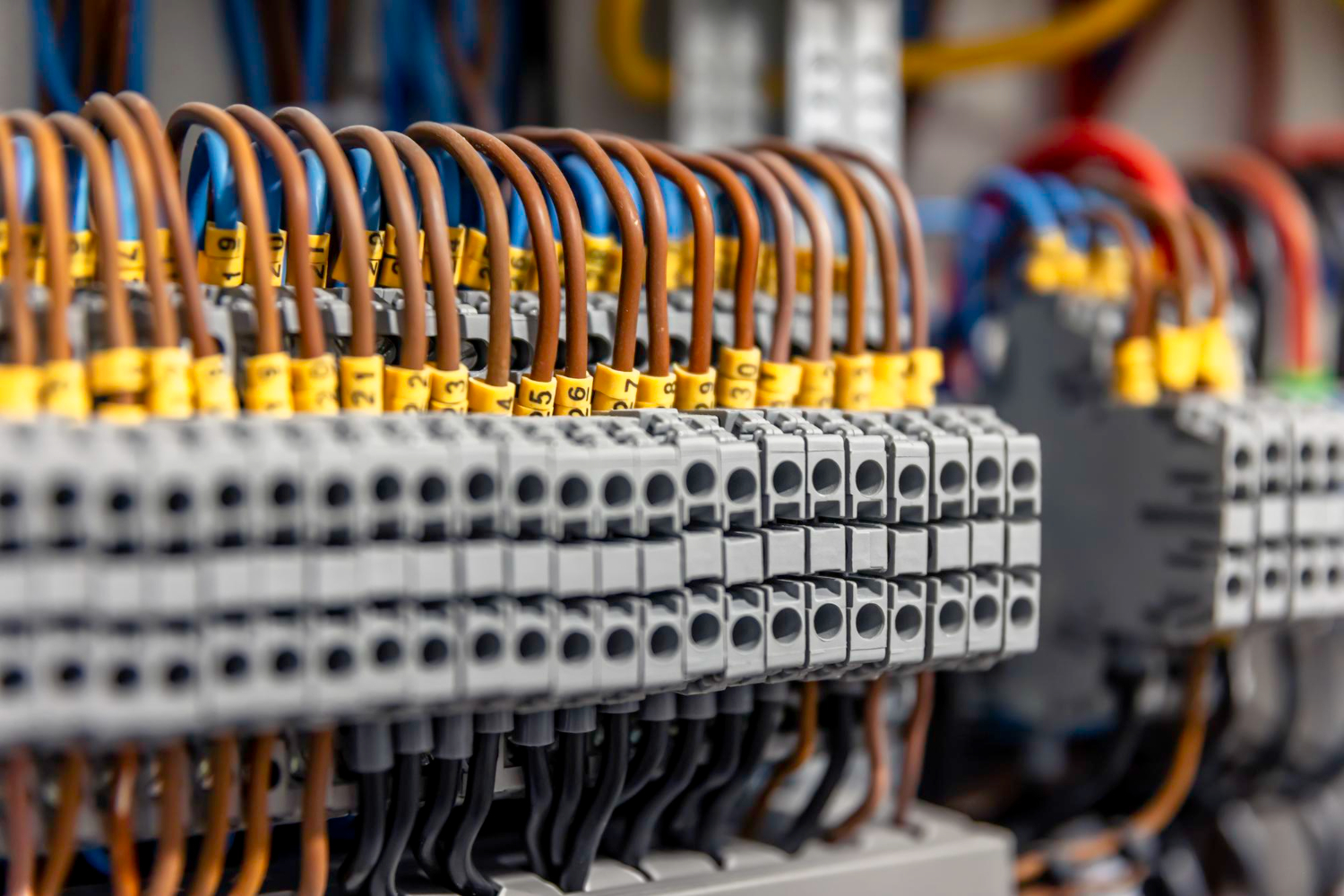
Custom electrical enclosures and metering products should be specified around environment, internal layout, access, protection, and future servicing. This article outlines the essentials.
Define the Site Conditions First
Outdoor installations, shared meter points, industrial feeder distribution, and internal service cabinets each demand different enclosure decisions. Before fabrication begins, identify whether the unit will face rain, dust, tampering risk, heat buildup, or limited service access. Those environmental conditions influence the final design far more than dimensions alone.
Design Around the Components Inside
The enclosure has to support actual equipment layout, not just contain it. Metering products and electrical cabinets often need mounting plates, gland access, cable routing space, ventilation, separation, and room for safe future servicing. When these details are ignored at specification stage, the result is usually awkward installation, congested wiring, or expensive on-site modifications.
Think About Access and Maintenance

Door swing, locking, canopy choices, removable panels, and service clearance all affect how the enclosure performs once it is live on site. Easy maintenance is a design requirement, not a bonus.
The best fabricated electrical enclosures begin with a clear brief: where the unit will sit, what it will hold, who will access it, and how it will be serviced later.
Protection, Finish, and Installation Details Matter
Coating choice, material gauge, weather protection, anti-corrosion treatment, cable entry points, and mounting method should all be discussed early. These details influence lifespan and usability just as much as the visible outer form. A well-made enclosure should feel suited to its environment rather than generically adapted after fabrication.
Custom Products Work Best With a Clear Brief
If you want reliable results, supply as much practical information as possible: dimensions, mounting conditions, equipment schedule, expected load, user access, and any approval or utility requirements. The more complete the brief, the easier it becomes to fabricate a metering or enclosure product that performs properly from day one.