RFL Blog
Top Storage Solutions for Industrial and Institutional Spaces
Storage decisions shape how smoothly a facility works every day. Whether the space serves staff, students, technicians, healthcare teams, or warehouse operations, the right storage system improves organisation, durability, and day-to-day efficiency.
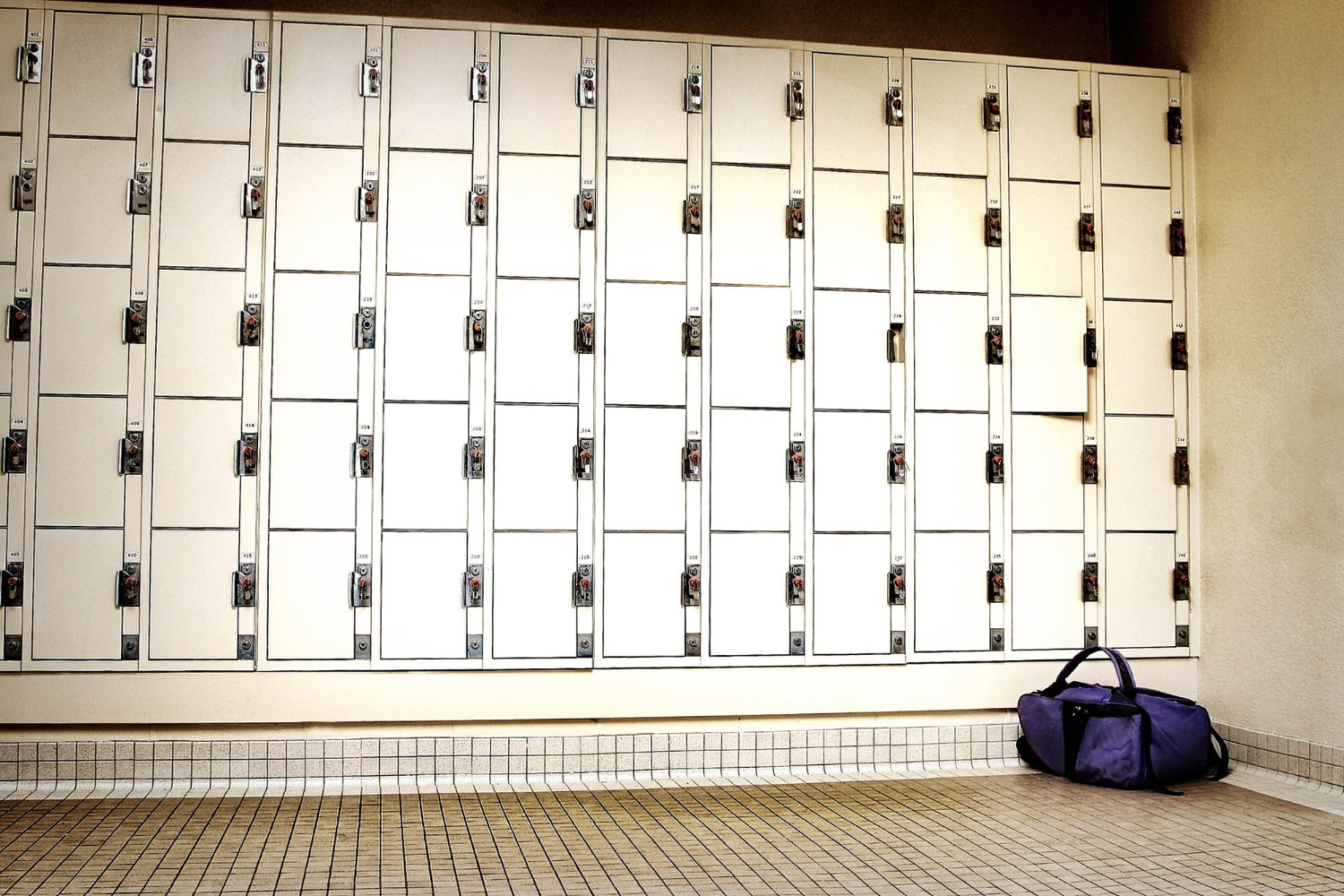
From lockers and cabinets to shelving and mobile units, the best storage solutions are matched to how a facility actually operates. Here are the key questions to ask before specifying or buying.
Begin With the Use Case
Not every facility needs the same storage approach. Staff changing areas may need durable lockers with ventilation and secure locking, while a records room may need cabinet storage, and a warehouse may need long-span racking or shelving that can handle changing inventory. The first step is to understand what will be stored, who will access it, and how frequently the units will be opened, moved, or reorganised.
Think About Environment and Wear
Storage in industrial, educational, and healthcare environments takes real abuse over time. Doors slam, shelves carry uneven loads, units get cleaned repeatedly, and keys or locks are used constantly. That is why material thickness, coating quality, reinforcement, ventilation, and hardware selection all matter. A unit that looks acceptable in a brochure may perform very differently after a year of daily use.
Choose Strength for the Load
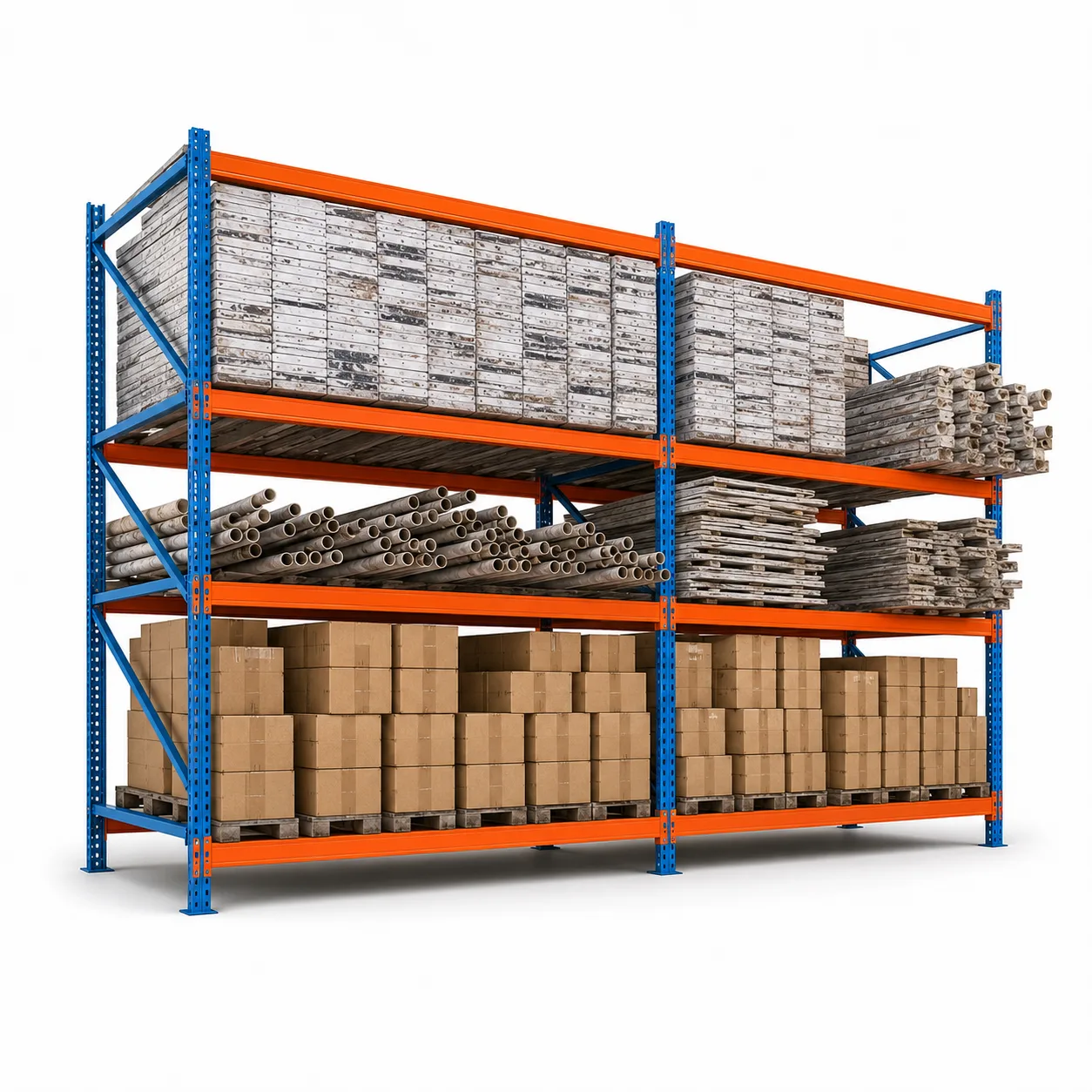
Shelving and racking systems should be selected around realistic load expectations, not ideal assumptions. It is better to plan for demanding use upfront than to retrofit later after bending shelves or unstable layouts become a problem.
Balance Security and Accessibility
Some spaces need fast shared access, while others need controlled access for personal belongings, tools, files, medicines, or specialised equipment. Lockers, cabinets, and storage rooms should be specified around the actual access model. In some cases, visibility and convenience matter most. In others, tamper resistance, labelled compartments, or controlled key management are the bigger concern.
Good storage is not just about putting items somewhere. It is about making the space easier to manage, safer to use, and more resilient over time.
Plan for Growth and Reconfiguration
Facilities change. Teams expand, inventory shifts, and operational priorities evolve. Storage systems that can be extended, reorganised, or complemented later usually deliver better long-term value than rigid one-off layouts. When choosing lockers, cabinets, shelving, or mobile units, it helps to think not only about the current problem but also about the next one the facility is likely to face.