
RFL Blog
How to Choose the Right Steel Fabrication Partner
Choosing a fabrication partner is about more than finding someone with machines and a quotation sheet. The right supplier should be able to interpret your brief clearly, recommend practical production choices, and support your project from first discussio
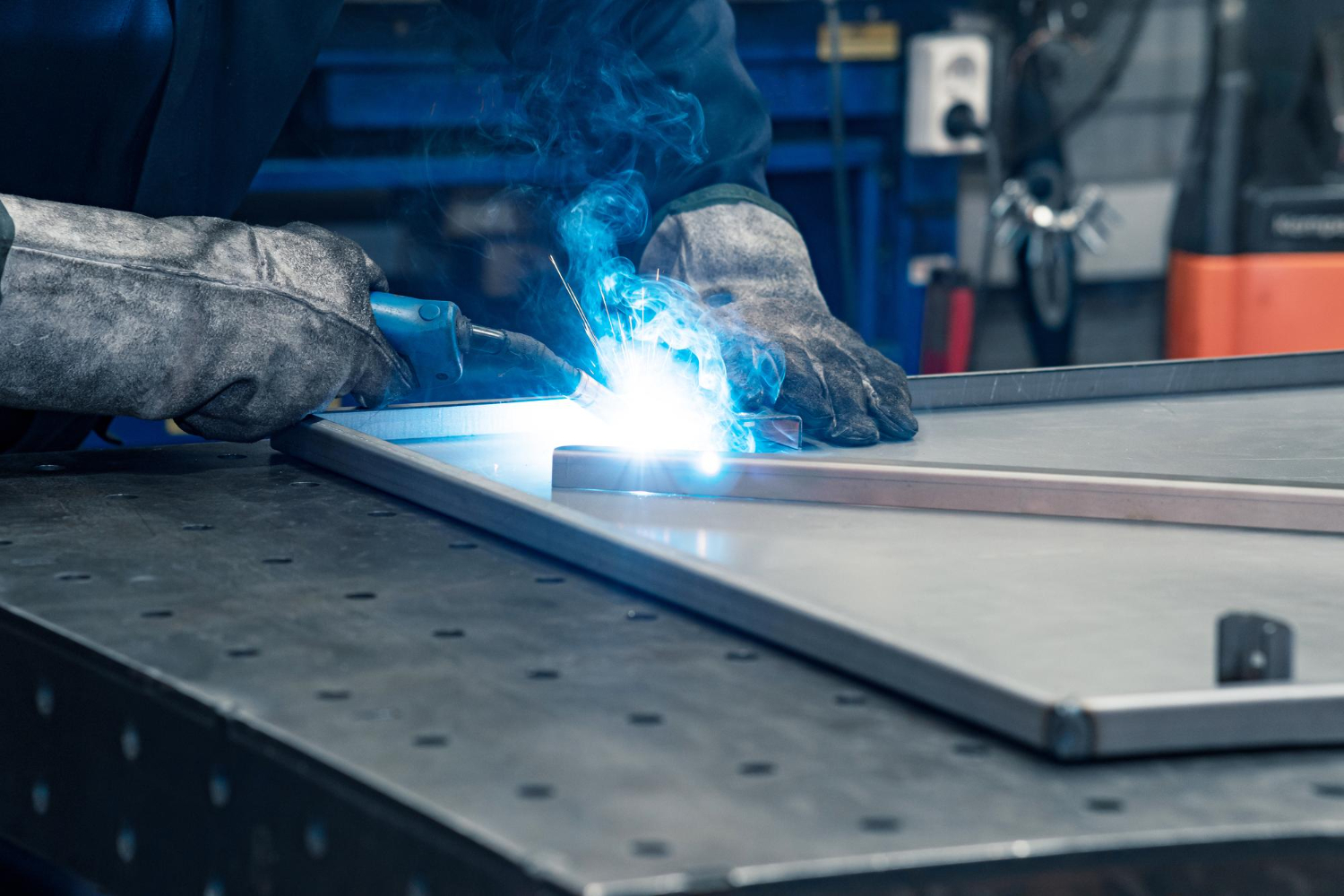
Steel fabrication projects succeed when quality, lead time, communication, and technical judgment all line up. This guide explains what to evaluate before appointing a fabrication partner for your next project.
Start With Technical Fit
Before comparing prices, confirm that the fabricator can actually deliver the kind of work your project requires. Ask about the materials they commonly process, the thickness range they handle comfortably, the finishes they can support, and the type of fabrication jobs they execute most often. A supplier that regularly delivers industrial frames, enclosures, brackets, cabinets, or custom assemblies will usually spot practical issues much earlier than a generalist shop working outside its comfort zone.
Review Drawings, Measurements, and Clarification Process
Good fabrication begins with good information. A dependable partner should ask precise questions about drawings, site dimensions, mounting conditions, tolerances, load expectations, and finishing requirements. If a supplier rushes straight to quoting without clarifying the scope, that usually becomes expensive later through rework, delays, or awkward site adjustments. The strongest partners use the early stages to reduce uncertainty, not ignore it.
Check Workshop Readiness
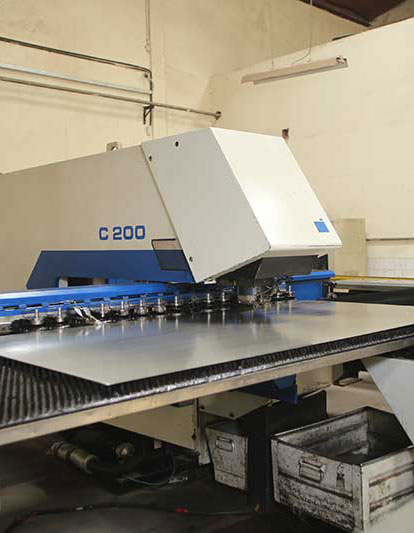
Machines matter, but workflow matters just as much. Look for evidence of organised production, repeatable cutting and forming processes, and a team that can move from raw material to finished fabrication with control rather than improvisation.
A strong fabrication partner does not only promise output. They reduce risk by clarifying scope, flagging technical issues early, and staying accountable from production through delivery.
Ask About Lead Times and Dependencies
Lead time should be discussed in practical terms, not just optimistic promises. Find out how the supplier sequences design review, material procurement, production, finishing, and dispatch. If your project depends on phased delivery or coordination with electricians, builders, or installers, the fabricator should be able to explain how they will support that rhythm. Realistic timing builds trust; vague timing usually creates pressure later.
Look for Long-Term Project Support
The best suppliers remain useful after the first order. They can help with repeat batches, replacements, revised dimensions, additional accessories, or related fabrication work as your project evolves. That kind of continuity becomes especially valuable on institutional, industrial, and commercial jobs where requirements often expand once the first phase is underway.